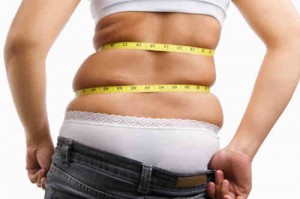
In case you needed another reason to start exercising, I was just introduced to the concept of “overfat” which, as a wellness coach and personal trainer, resonates with me. According to an article just published in the journal Frontiers in Public Health, up to 76% of the world population is overfat (1). This group of people includes those who are NOT overweight or obese according to standard height-vs-weight measurements, but still have an unhealthy amount of body fat that threatens their health.
In other words, in addition to the almost 50% of overweight and obese people on the planet, there are as many as 25% additional individuals who have excess unhealthy body fat, even though their weight-to-height ratio is within the healthy range. That’s a total of 5 billion people who need to burn excess fat.

Body fat can be measured using calipers. Skin folds are measured across standardized areas and used to calculate the percentage of body fat in your body. It is difficult to do this type of measurement on yourself, but if you have an experienced examiner it is very reliable. Bioelectrical impedance analysis (BIA) is another option, and can be done on your own using a scale that calculates body fat or with a handheld BIA device. The downside to this option is less accuracy because it relies on water content in your body to estimate body fat.
The overfat concept resonates with me because I often see people whose BMI (body mass index) is below 25 — the magic number to not exceed according to the CDC (Center for Disease Control) — but who are not happy with their bodies. Increasing muscle mass helps to increase metabolism and, consequently, burn fat more efficiently. A side effect of weight training to build muscle is that bone density is positively affected as well.
So what are you waiting for? Exercise and healthy eating will make a difference, reducing the threat of lifestyle-related disease, increasing energy, reducing stress, and improving overall well-being!
- Philip B. Maffetone, Ivan Rivera-Dominguez, Paul B. Laursen. Overfat and Underfat: New Terms and Definitions Long Overdue. Frontiers in Public Health, 2017; 4 DOI: 10.3389/fpubh.2016.00279
 Outrageous Wellness