Category Archives: Health

Fitness vs. Wellness: Do you want to be Fit, or do you want to be Well?

We can be physically fit without including wellness in our lives, but fitness is an essential part of wellness. That being said, many other aspects of lifestyle are important to address if we are to be “well”.

Wellness is the state of being in good health, especially as an actively pursued goal, and is often described as the integration of body, mind and spirit. I prefer breaking wellness down into more specific categories for the sake of clarity. This makes it easier to identify areas in life that need your attention to in order to propel yourself to a higher state of wellness.

Fitness can be categorized as Physical wellness, an important component of wellness which encompasses exercise and nutrition in the form of an active lifestyle and healthy eating. Many different options are out there for exercise such as running, bodybuilding, yoga, biking, crossfit, dance, to name a few. Numerous options exist for nutrition as well, depending on your individual goals, your metabolism, and your overall health and physiology.

Other areas of wellness include:

Emotional wellness, which addresses your ability to cope with emotional challenges, and to express emotions in a healthy way. This area of wellness is also about maximizing positive emotions that spur you forward, instead of dwelling on negative emotions which hold you back and keeps you from reaching your full potential. I realize that is easier said than done for some of us.

Intellectual wellness, because it is important to always remain teachable. Be open to new experiences and ideas, and you will continue to grow. This does not necessarily require taking a class or a workshop; to remain intellectually stimulated you can choose to read about a topic that interests you, explore new places, or simply change up your normal routine. You may notice or learn something new about yourself.

Social wellness considers your relationships with others; supportive relationships affect your ability to cope with life’s challenges. The number of people in your life will depend on your personality; the quality of those relationships is what matters.

Environmental wellness, because your surroundings affect your wellness. Environmental awareness can also be thought of as a two-way street: you affect your environment as your environment affects you. Make your environment a positive space, and make interactions with the environment positive …and in this context, positive should be interpreted as a supportive space that feeds your creativity, energy and well-being; this will be unique for everyone.

Financial wellness concerns your relationship with money; money should not be the primary driving force of your life if you are striving for wellness. Be realistic about your finances, live within your means, and strive for balance between work, family, and other aspects of your life.

Spiritual wellness refers to your search for meaning in life. There are many paths to spiritual wellness, and finding the right one for you should be an exciting and enlightening journey.

In general, if you are satisfied with where you find yourself in each of these categories, you probably feel that you are in a good state of overall wellness. If you have issues or difficulties in any of these areas, you may feel a high degree of stress in your life or feel you are stagnating.

None of these wellness areas need to be perfect; that is an impossible goal. You need only address each of these areas in your daily life to be in a state of wellness. In fact, wellness can be thought of as a journey rather than a definitive destination. Goals within each area change over time as we grow and change, and as our lives change. Each small step and healthy choice you make brings you closer to reaching your full potential.

Kristine Erickson, Ph.D.

Wellness Coach and Psychologist

Kristine@inspired-healthwellness.com

Our Pets Deserve Wellness, Too.

Think of all the things that our pets do for us. They love us unconditionally; they teach us patience; they get us up and out of bed when we’re feeling unmotivated. Our family pets lower our cholesterol and our physiological indicators of stress, like blood pressure, cortisol and heart rate; they keep us active and more social; they improve our pain management; they reduce our feelings of fear and anxiety. The list goes on.

Family pets also aid in our children’s development. Kids with a family dog are less likely to have asthma, and they miss fewer days from school because of illness. And pets, especially dogs and cats, influence learning and cognition in children, and they help children develop self esteem and social skills. They provide children with companionship, sometimes even more so than siblings do. Most children consider their pet to be a member of the family, and many confide in their pets, believing their pets understand what they are going through.

We have very special relationships with our domesticated pets, and this special status is reflected in the way our brains respond to our furry friends. Petting your dog increases oxytocin, prolactin, phenylacetic acid and dopamine; the effect is reduced when you pet a strange dog. These biological substances are neurotransmitters and hormones associated with affiliation and reward. In fact, the pattern of your brain activity when viewing your pet is very similar to the pattern seen when viewing your child.  When pet owners claim that their dog is a member of the family, this is no exaggeration.

So, when you consider everything your family pet does for you, don’t you think your pet deserves the best that you can offer?

https://www.localfirst40.com/

Beetz A, et al. Psychosocial and Psychophysiological Effects of Human-Animal Interactions: The Possible Role of Oxytocin. Frontiers in Psychology (2012). doi:10.3389/fpsyg.2012.00234.

Levine GN, et al. Pet Ownership and Cardiovascular Risk. Circulation (2013). doi.org/10.1161/CIR.0b013e31829201e1

Purewal R, et al. Companion Animals and Child/Adolescent Development: A Systematic Review of the Evidence. International Journal of Environmental Research and Public Health (2017). DOI: 10.3390/ijerph14030234

Stoeckel LE, et al. Patterns of Brain Activation when Mothers View Their Own Child and Dog: An fMRI Study. PLOS ONE (2014). doi: 10.1371/journal.pone.0107205

The Overfat Epidemic

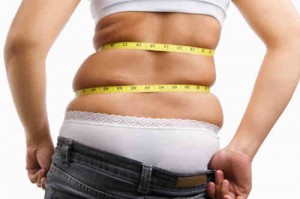
Body fat

In case you needed another reason to start exercising, I was just introduced to the concept of “overfat” which, as a wellness coach and personal trainer, resonates with me. According to an article just published in the journal Frontiers in Public Health, up to 76% of the world population is overfat (1). This group of people includes those who are NOT overweight or obese according to standard height-vs-weight measurements, but still have an unhealthy amount of body fat that threatens their health.

In other words, in addition to the almost 50% of overweight and obese people on the planet, there are as many as 25% additional individuals who have excess unhealthy body fat, even though their weight-to-height ratio is within the healthy range. That’s a total of 5 billion people who need to burn excess fat. 

Percent of the world population estimated to be overfat.

Body fat can be measured using calipers. Skin folds are measured across standardized areas and used to calculate the percentage of body fat in your body. It is difficult to do this type of measurement on yourself, but if you have an experienced examiner it is very reliable. Bioelectrical impedance analysis (BIA) is another option, and can be done on your own using a scale that calculates body fat or with a handheld BIA device. The downside to this option is less accuracy because it relies on water content in your body to estimate body fat.

The overfat concept resonates with me because I often see people whose BMI (body mass index) is below 25 — the magic number to not exceed according to the CDC (Center for Disease Control) — but who are not happy with their bodies. Increasing muscle mass helps to increase metabolism and, consequently, burn fat more efficiently. A side effect of weight training to build muscle is that bone density is positively affected as well.

So what are you waiting for? Exercise and healthy eating will make a difference, reducing the threat of lifestyle-related disease, increasing energy, reducing stress, and improving overall well-being!


  1. Philip B. Maffetone, Ivan Rivera-Dominguez, Paul B. Laursen. Overfat and Underfat: New Terms and Definitions Long Overdue. Frontiers in Public Health, 2017; 4 DOI: 10.3389/fpubh.2016.00279