Think of all the things that our pets do for us. They love us unconditionally; they teach us patience; they get us up and out of bed when we’re feeling unmotivated. Our family pets lower our cholesterol and our physiological indicators of stress, like blood pressure, cortisol and heart rate; they keep us active and more social; they improve our pain management; they reduce our feelings of fear and anxiety. The list goes on.
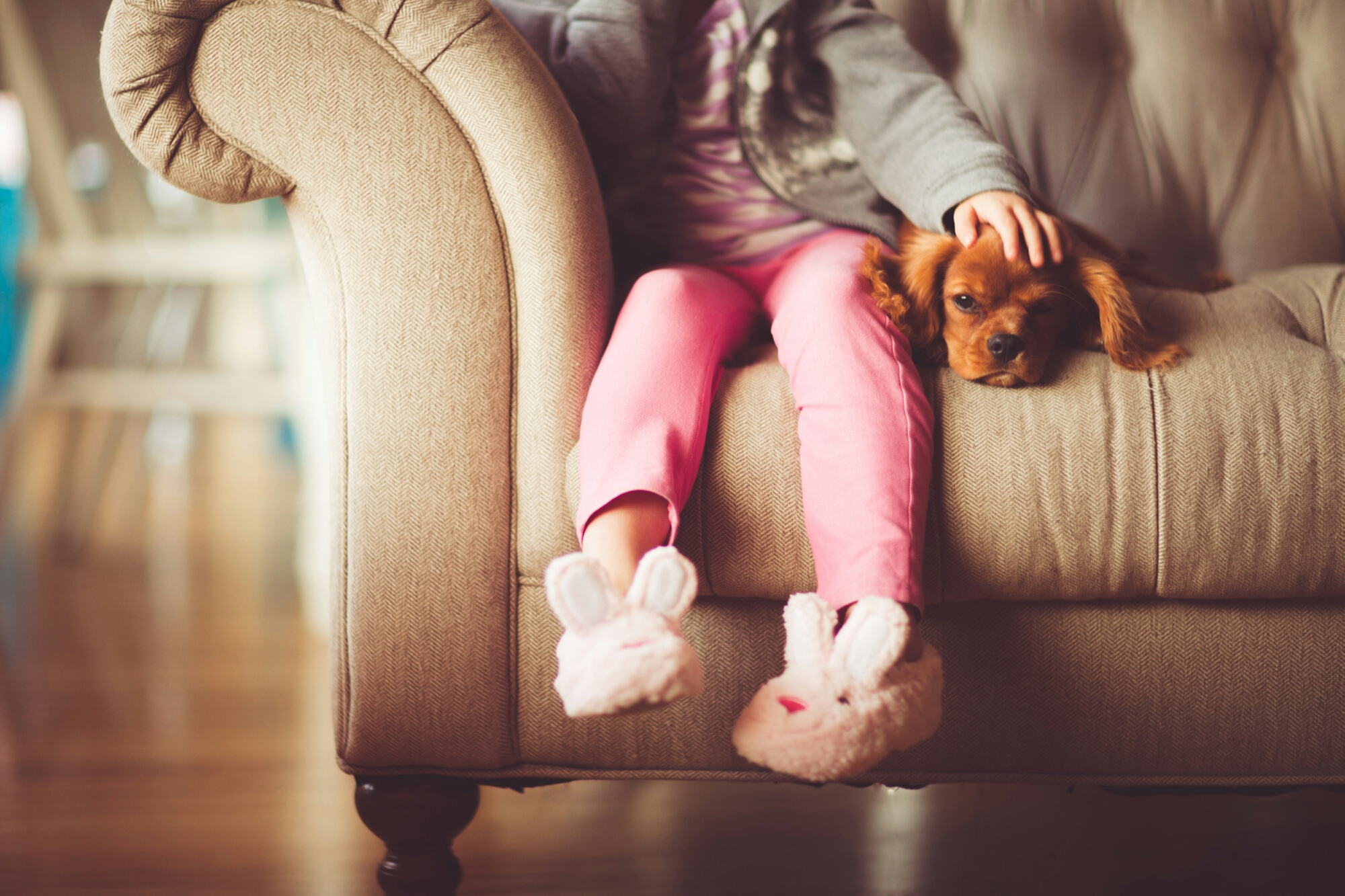
Family pets also aid in our children’s development. Kids with a family dog are less likely to have asthma, and they miss fewer days from school because of illness. And pets, especially dogs and cats, influence learning and cognition in children, and they help children develop self esteem and social skills. They provide children with companionship, sometimes even more so than siblings do. Most children consider their pet to be a member of the family, and many confide in their pets, believing their pets understand what they are going through.
We have very special relationships with our domesticated pets, and this special status is reflected in the way our brains respond to our furry friends. Petting your dog increases oxytocin, prolactin, phenylacetic acid and dopamine; the effect is reduced when you pet a strange dog. These biological substances are neurotransmitters and hormones associated with affiliation and reward. In fact, the pattern of your brain activity when viewing your pet is very similar to the pattern seen when viewing your child. When pet owners claim that their dog is a member of the family, this is no exaggeration.
So, when you consider everything your family pet does for you, don’t you think your pet deserves the best that you can offer?
Beetz A, et al. Psychosocial and Psychophysiological Effects of Human-Animal Interactions: The Possible Role of Oxytocin. Frontiers in Psychology (2012). doi:10.3389/fpsyg.2012.00234.
Levine GN, et al. Pet Ownership and Cardiovascular Risk. Circulation (2013). doi.org/10.1161/CIR.0b013e31829201e1
Purewal R, et al. Companion Animals and Child/Adolescent Development: A Systematic Review of the Evidence. International Journal of Environmental Research and Public Health (2017). DOI: 10.3390/ijerph14030234
Stoeckel LE, et al. Patterns of Brain Activation when Mothers View Their Own Child and Dog: An fMRI Study. PLOS ONE (2014). doi: 10.1371/journal.pone.0107205
 Outrageous Wellness