Category Archives: Uncategorized

The Daisy: So Humble Yet So Fierce

This post is part of Stream of Consciousness Saturday. The prompt is link for 7/18/20 #SoCS

We are links in a chain, connecting one to the other. But it’s not a chain of steel that holds us prisoner; it is more like a daisy chain that enriches each of our lives with its simple beauty. I never know who will be added to my daisy chain of friendship.

Traditionally, daisies are associated with love, purity and innocence. I’ve also read that tithe is associated with new beginnings and transformation, which resonates with me. The daisy is such a happy flower, you can’t help but smile when you see a field of daisies, with their white petals and yellow sunshine button disc at the center. I remember on at least one occasion pulling petals from a daisy while chanting the words, “He loves me, he loves me not.” Granted, that was a very long time ago!

My mother is from Norway, and I love learning about and incorporating the stories of the old vikings into my modern life. In Norse mythology, the daisy was Freya’s flower. Freya was the goddess of love and childbirth, but she was also a warrior goddess. Of warriors slain in combat, half went to Odin’s Valhalla, but Freya chose half to come with her to her own halls, and all women who died a heroic death also spent their afterlife with Freya. So the daisy is a warrior’s flower, given as a charm to wear into battle to convey the protection Freya and her valkyries. How cool is that?

The daisy is so small and yet so mighty, filled with rich symbolism from many different cultures. I try to stay open to who is around me each day, because I never know when a new person will enter my life, and become a link in my daisy chain of love and protection. It is a relatively new perspective for me, and letting in these little sunshine rays of mystical thinking brings me joy.

Dancing

This post is part of the Ragtag Daily Prompt #RDP

I was never a good dancer. I think it’s because I always needed to be in control of myself and of everything around me for moat of my life, and freestyle dancing requires you to let go and let the music move you.

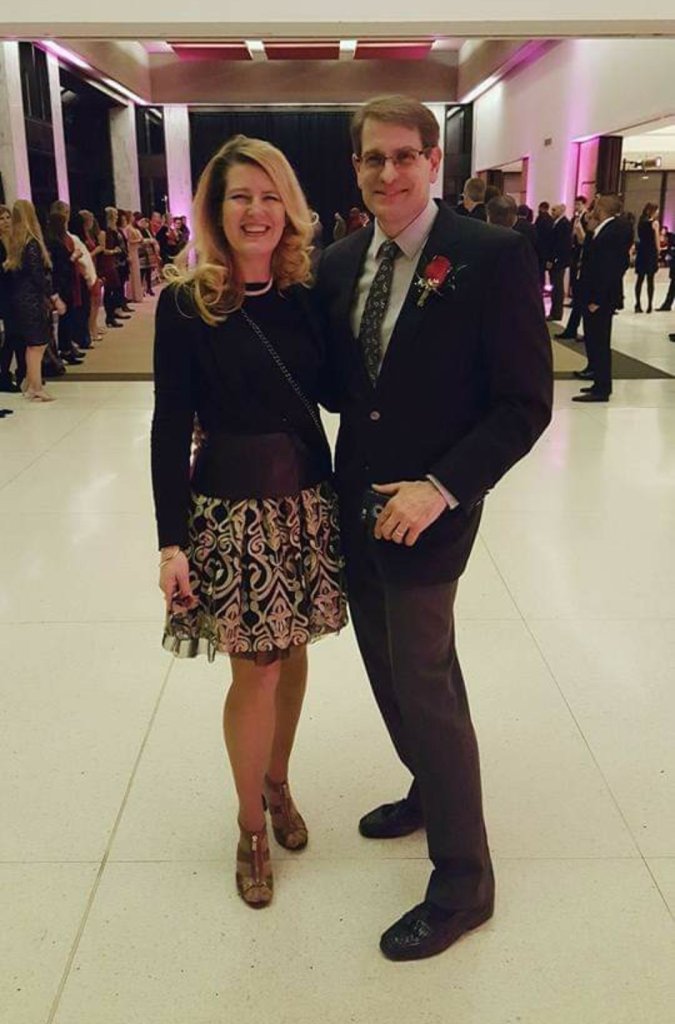
Then a few years ago my husband and I decided to take dancing lessons as part of a project to get to know each other again, after many years of marriage.

Finally, controlled and step-by-step lessons in how do dance, that’s perfect for a control freak like me! It also allowed us to reconnect and learn to have some fun. Dancing is a team effort when doing it with a partner, and it helps with communication on and off the dance floor. I highly recommend dance lessons to all couples who want to connect or reconnect on an intimate level.

French Embassy, February 2017

White Beaches

Nearly all beach sand is quartz. That fine bright quartz crystal feels so soft beneath my bare feet, so relaxing and soothing.

I miss the beach. I’ve visited a beach somewhere in the world nearly every year for as far back as I can remember. This is the strangest year, and so many annual rituals are put on indefinite hold. Earlier this year I was supposed to visit New Orleans, where I would make my first beach visit of the year. This fall, I was going to Bordeaux in France where I would have dipped my toes into the Atlantic Ocean.

For me, connecting with the ocean waters that touch the shores of each continent is an exhilerating feeling. I am renewed. In part, this is because of the sound of the surf, the smell of salt water, and the feel of the sand beneath my feet and the water moving around my body. The ocean is wild and powerful. Being submerged in the water rejuvenates my body, mind and spirit, washing away negative energy and making me open to everything positive and enlightening.

This year I will have to be satisfied with pool water. It isn’t the same, but it is also renewing for me. Yesterday I went swimming in a pool for the first time this year, and it was wonderful. My son is living in his grandparent’s house, taking care of the property, and he let me know that he finally had the pool cleaned up and ready for swimming. No quartz sand, no sounds of the surf or taste of salty sea water, but I am grateful for everything I do have today. This year will be different, but if we can stay healthy we will have unique and beautiful memories in spite of everything going on around us.

This post is part of Fandango’s one word challenge #FOWC for July 16, 2020. “Nearly” is the word of the day.

#Nurturing Thursday

Children of the Sun

This post is part of Stream of Consciousness Saturday 7/11/2020 #SoCS

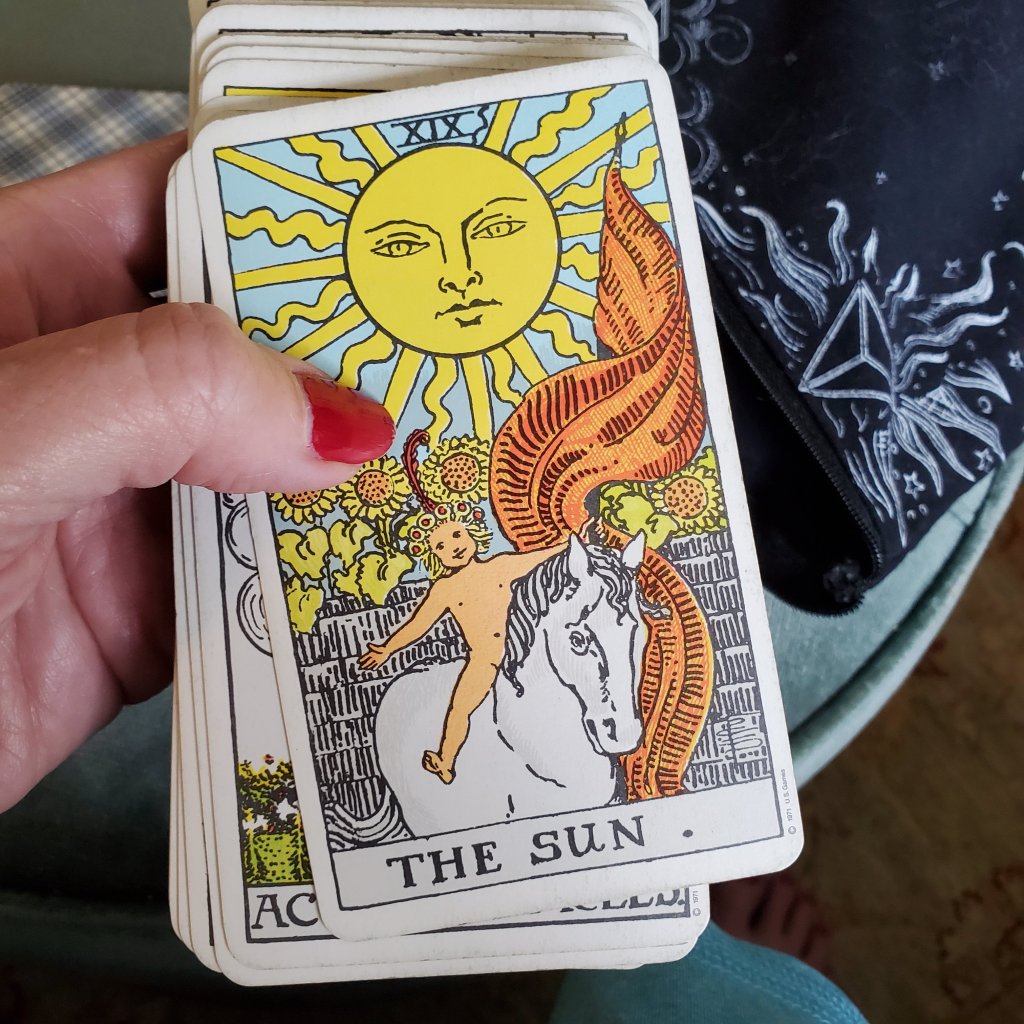
This was so funny. The instructions were to locate the picture closest to me, and use the first song that popped into my head as the stream of consciousness writing prompt. So I grabbed my tarot deck, pulled a card, and voila!

The Sun XIX

The first song to pop into my head was Billy Thorpe’s Children of the Sun. I couldn’t help it, it just came to me. I haven’t heard this song in decades, and I think this may be a universe-speaking-to-my-subconscious moment.

This song is about hope, and the fantasy that we will be saved by an outside force. I think the real salvation comes from within us. We are thinking human beings and are capable of so much when we don’t get into our own way. It is comforting to think that someone or something might come to our planet and fix all that is wrong with it right now: climate change, the pandemic that continues to rage, bigotry and abuse, oppression, and the poisoning of our world with the byproducts of engineering and technology. Maybe some of what is going on right now is the result of the earth fighting back to save what is left of the natural world. I don’t know. These are all random thoughts that run through my head. So many of our problems are ones that we’ve inflicted on ourselves as a whole, and other problems are inflicted by individuals on other individuals. We all need healing on so many levels, and I hope we figure this out in time. The song that prompted these thoughts describes a science fiction tableau, and I loved sci-fi novels when I was growing up. Thinking about what could be, and who we are at our best and our worst, took up a lot of my imagination as a child and adolescent. I want to continue thinking about how best to move forward as human beings, and how to become Children of the Sun.

Wellness As An Organic Concept

How do you conceptualize wellness? Is it a purely physical construct for you, on a continuum with illness? Is it more about finding a stress-free comfort zone? Or a consistent yoga practice? Is it a home you’re building for your spirit?

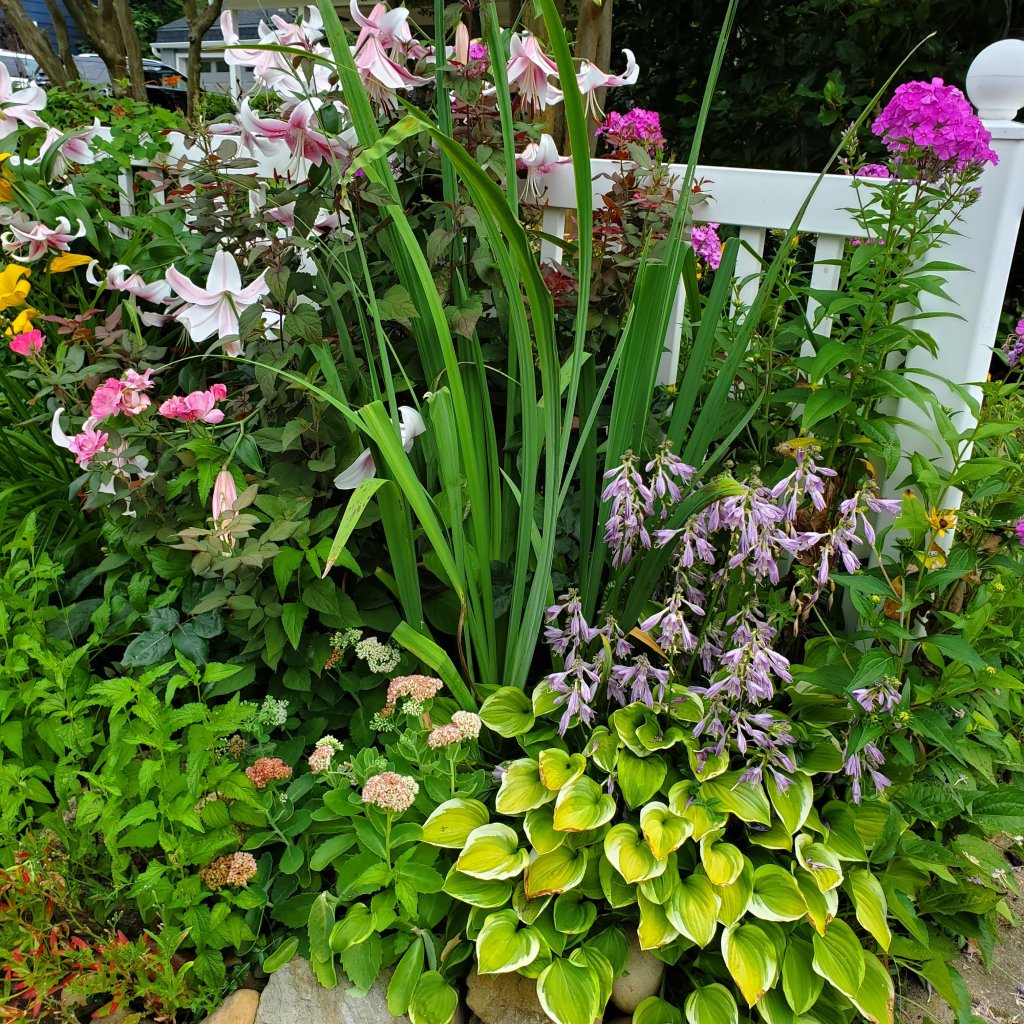
Recently, I’ve begun imagining wellness as a flower, with each petal representing a different aspect of wellness.

When I first began teaching and coaching people on wellness, I used the concept of the Wellness Wheel, which is a circle divided into pie slices, with each slice symbolizing one facet of wellness. These are usually defined as physical, intellectual, social, emotional, environmental, financial and spiritual wellness.

The wheel suggests that we are starting from one point and traveling to another point. The emphasis is to GET SOMEWHERE and, until recently, so many of us were intent on getting somewhere in the quickest most efficient way possible. Get to school, get to work, get a promotion, get a bigger house, etc. This version of the world has dramatically changed for many, with the COVID19 pandemic sweeping through our world over the past months.

Now, instead of rushing from one place to the next, many of us are settled at home. We are concentrated on staying healthy, out of a concern for the well-being of ourselves and our at-risk loved ones. This virus has changed our lives, and changed how we interact with the world.

As I was drawing the Wellness Wheel on my blackboard recently to help me visualize what I was discussing with my clients, I realized the wheel didn’t sit well with me any longer. We are organic biological beings, not mechanical constructs, and our approach to wellness should reflect this.

Each aspect of wellness can be conceptualized as a petal on a wellness flower. With a wheel, each part must be equally proportioned for it to function properly, and wellness isn’t like this at all. Flower petals, on the other hand, don’t have to be exact replicas of each other for the flower to be beautiful and functional and perfect. In fact, when have you ever encountered a flower with perfectly proportioned petals, when you get up close and look carefully?

We can be well, and not be perfect across all aspects of wellness. All that is required is that we put some effort into each portion, and establish goals for each aspect to help us grow. We are not really trying to get from one place to another, and there is no finish line; instead, we are growing and learning and transforming, each in our unique and special ways.

So what are you waiting for? Start blooming!

Moving Forward

It has been a few years since I posted anything on this blog site. In part, this is because I was very busy with clients during that period and did not have the time or the patience to sit and write a coherent piece for this site.

I was also keeping a much more personal blog of my internal journey and thought processes, which was invaluable for my personal growth. It is now deleted; but I’ve saved some of the writing, which I believe will be useful to share on this more public blog, as examples of how I have moved forward.

Now, I am excited to begin here once again. Please join me as I continue my journey. I would love for you to experience the joy of internal transformation!

Today is a new day. Grab onto it, love it, let it move you.

Walking the Labyrinth

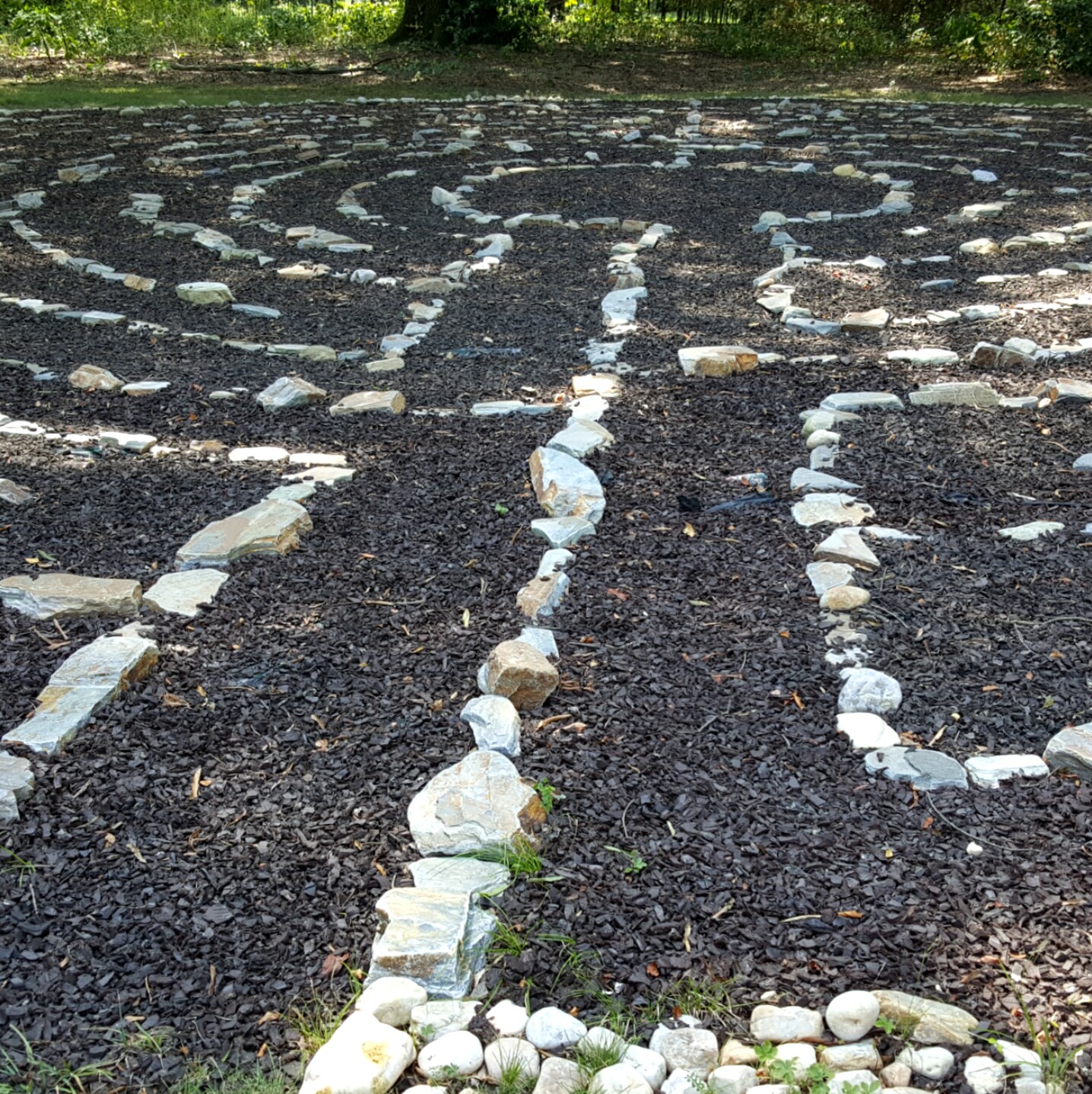
I went for a bike ride today and found myself at a labyrinth. I’ve known of this labyrinth for a while now, but this was the first time I had stopped and given it much attention. The idea of walking a labyrinth appealed to me, as I am continuously working on finding peace and calm, so I can bring that grounded feeling into my home and share it with those around me.

Labyrinths have been around for thousands of years, the best-known early examples are associated with the Minotaur legend on the island of Knossos. The labyrinth was used by Catholic monks as a tool for meditation and contemplation during the medieval period. Today labyrinths are everywhere, in some surprising places. A 25-mile radius search around my home outside of Washington, DC found 44 labyrinths. Most are located at churches (of all denominations) but others are located in parks, at private residences, at places of learning, places of healing, and professional health organizations (e.g., University of Maryland, Walter Reed National Military Medical Center, American Psychological Association).

So what was my experience with walking the labyrinth for the first time? It took much longer than I expected, and now I understand how this is a calming, meditative, and healing practice. I felt my mind quiet as I paced, step by step, along the twisting and spiraling pathway to the center of the labyrinth. My vision was reduced to the few feet in front of me, sounds of passing cars receded into the background, and my mind became focused on the present as I let go of all thoughts about the future. I was surprised at how effective it was at bringing me into a calm and peaceful state.

Next time, I will come to the labyrinth prepared for its quiet power. 

Optimism

op·ti·mism /ˈäptəˌmizəm/
noun

1. Hopefulness and confidence about the future or the successful outcome of something.

2. Philosophy: The doctrine, especially as set forth by Leibniz, that this world is the best of all possible worlds.

2.1. The belief that good must ultimately prevail over evil in the universe.

~ Oxford English Dictionary


Improving your optimistic outlook on life may be the key to reduced anxiety. Anxiety can be overwhelming. I know that when I feel anxious, it is difficult to be optimistic, but through conscious effort, practicing techniques I have picked up over the years, I can influence my optimism and manage my anxiety.  Sounds simple, right? Rather than letting anxiety overwhelm you, use positive thoughts to overwhelm and run off the anxiety.

Optimism refers to positive expectations for the future.

Now, an area of the brain, part of the prefrontal cortex, is identified as important for the association between optimism and anxiety. The prefrontal cortex can be divided into subregions, one of which is the orbitofrontal cortex (OFC). The OFC rests above the eye sockets and is relatively well protected from injury. This is in contrast to the dorsolateral prefrontal cortex, which lies beneath the front part of your skull and is responsible for planning, logical reasoning and other related tasks. The OFC is critical for emotional regulation and personality, and damage to OFC results in a range of emotional, social and personality changes.

A study by Dolcos et al (2015) at the University of Illinois, appearing in Social Cognitive Affective Neuroscience, reports thicker gray matter in the left OFC is associated with greater trait optimism, and that this optimism can protect against anxiety symptoms. What is the functional significance of this greater thickness? How it mediates optimism and anxiety is unclear. As with most things, when speaking of the brain, more doesn’t necessarily mean better, but in this case more gray matter is beneficial. Is there hope for those who don’t have an optimistic outlook, and have relatively thinner left OFC gray matter? This may be addressed by future studies. We know the brain is plastic, and each time we have a new experience or learn something new changes take place, in the form of new growth or shrinkage, new connections made or old connections weakened.

The left OFC has connections with the amygdala, a structure important for the perception of emotionally provocative information, especially novel and threatening stimuli. Stimulation of the amygdala leads to fear and anxiety behaviors in animals. What is especially interesting is activation of the left OFC leads to suppression of amygdala activation; this may be relevant to the associations found by Dolcos and colleagues. Perhaps those with more gray matter volume in the this region are better able to regulate their anxiety through this interaction between the OFC and the amygdala, and the increased optimism can be seen as the driving force behind this.

“The optimist proclaims that we live in the best of all possible worlds; and the pessimist fears this is true.”

~ James Branch Cabell

Increasing your optimism has many potential benefits. Trait anxiety and optimism are both correlated with quality of life in the expected directions, with lower anxiety and higher optimism associated with a better quality of life. Optimism is good for your heart; it helps cardiac patients heal after surgery, and those who are optimistic tend to have lower blood pressure than those who are pessimists. Optimism is also associated with better overall health and survival rates. Optimism is a universal phenomenon, and is associated with better wellbeing across a number of cultures.

Dolcos S, Hu Y, Iordan AD, Moore M, Dolcos F. Optimism and the brain: trait
optimism mediates the protective role of the orbitofrontal cortex gray matter
volume against anxiety. Soc Cogn Affect Neurosci. 2015 Sep 14. pii: nsv106. [Epub
ahead of print] PubMed PMID: 26371336.